
Top 10 Tech Products That Defined 2025: A Year in Review
Every year has a handful of gadgets that don’t just launch—they shift what we expect from everyday tech. In 2025, the pace felt faster than ever: smarter wearables, more capable laptops, and home devices that actually save time instead of creating more setup headaches. From the TrevMart perspective, Trevor and I were discussing which releases really earned a spot in our daily routines—and which ones changed buying decisions across the board. Here are the top 10 tech products that defined 2025, and what they did better than the rest.
Disclaimer: As an Amazon Associate, TrevMart earns from qualifying purchases at no extra cost to you.
How we chose the products that “defined” 2025
We didn’t pick these based on hype alone. Each product earned its place by doing at least one of these things: pushed a category forward, delivered standout value, or became the default recommendation for a certain kind of buyer.
- Real-world impact: It solved an everyday problem better than last year’s options.
- Category influence: Competitors responded with copycat features or price drops.
- Longevity: Worth buying late in the year, not just at launch.
1) Flagship smartphone that nailed battery + camera consistency
2025’s best phones weren’t about gimmicks—they were about reliability. The flagship that defined the year balanced all-day battery with cameras that stayed consistent across lighting, motion, and zoom.
Why it mattered
People bought fewer dedicated cameras in 2025 because the best phone cameras started producing “share-ready” shots without editing. That changed how buyers prioritized upgrades.
- Pros: dependable photos, strong video stabilization, battery that lasts through travel days
- Cons: pricey storage upgrades, limited repairability on some models
2) A thin-and-light laptop that finally felt “desktop fast”
Laptops in 2025 got a lot better at sustained performance. The standout machines combined efficient chips with improved cooling, so you could edit, code, and multitask without the slowdowns that used to hit after 10 minutes.
Best for
Students, remote workers, and creators who want a bag-friendly machine that doesn’t act like a compromise.
- Look for: 16GB+ RAM so you can keep a dozen tabs and apps open without lag
- Look for: 512GB+ SSD so projects and downloads don’t force constant cleanup
- Look for: bright, color-accurate display if you edit photos/video
3) OLED gaming monitor that made high refresh feel mainstream
OLED monitors stopped being “boutique” in 2025. Better pricing and improved burn-in protections helped OLED become a realistic upgrade for more gamers.
What changed
Motion clarity improved, HDR looked legit, and response times felt instant. Once you’ve played fast shooters or racing games on a great OLED, it’s hard to go back.
- Pros: deep blacks, excellent HDR pop, smooth motion
- Cons: needs basic care for static UI, premium size options still cost more
4) Noise-canceling earbuds that made commuting tolerable
Earbuds in 2025 got better at the things that matter: cleaner call quality in windy streets, stronger ANC on subway noise, and transparency modes that don’t sound robotic.
Benefits you’ll notice daily
- Better ANC: less fatigue on flights and trains
- Clearer calls: fewer “can you repeat that?” moments
- Smarter controls: less fumbling with your phone mid-walk
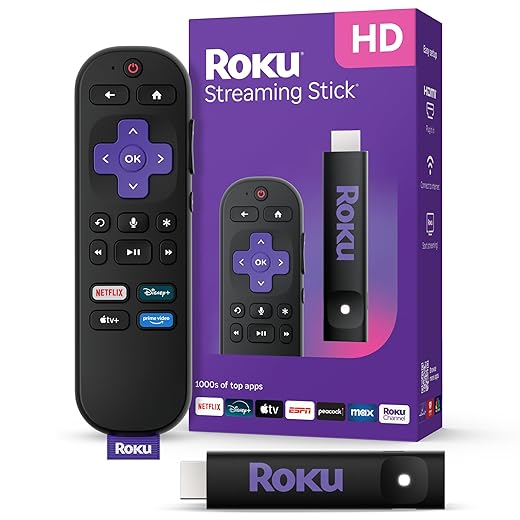
5) Streaming device that made TV interfaces fast again
Smart TVs still ship with clunky software. In 2025, a top-tier streaming device became the easiest fix: fast menus, better app support, and updates that don’t stop after a year.
Who should buy it
Anyone with a decent TV but a slow interface. It’s one of the cheapest quality-of-life upgrades you can make.
6) Robot vacuum/mop combo that actually reduced weekly chores
The best robot cleaners in 2025 weren’t just better at navigation—they were better at ownership. Auto-emptying, smarter room mapping, and improved mop systems meant fewer rescues and fewer “why is it stuck here again?” moments.
What to prioritize
- Obstacle avoidance: so cords and pet messes don’t become disasters
- Auto-empty base: so you don’t babysit dust bins every other day
- Strong edge cleaning: because corners are where dirt hides
If you’re buying a robot vacuum in 2025, don’t overpay for features you won’t use. Spend for obstacle detection and a good dock first. A cheaper robot with smart avoidance will save more time than a “stronger suction” model that gets stuck twice a day.
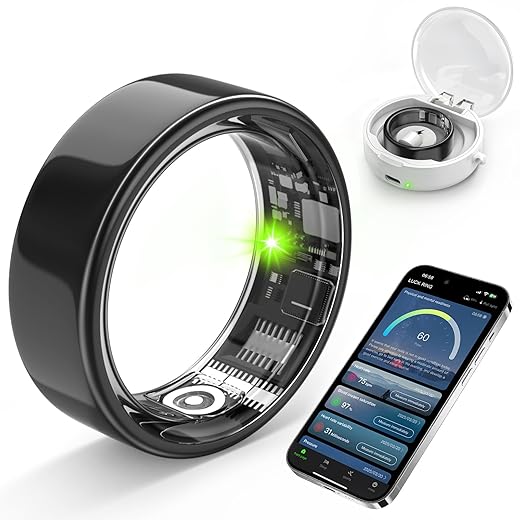
7) Smartwatch/fitness wearable that became a real health companion
Wearables in 2025 moved past step counting. The best models focused on actionable insights: better sleep tracking, more accurate heart metrics, and coaching that doesn’t feel like nagging.
Why it defined 2025
More people stuck with fitness habits when the wearable made progress visible and simple. That’s a real product win.
- Pros: better sensors, longer battery, clearer trends over time
- Cons: some advanced metrics locked behind subscriptions
8) Portable power station that made outages and camping easier
Power stations got more practical in 2025: faster charging, safer battery chemistry in many models, and outputs that can run laptops, routers, and small appliances.
Best use cases
- Home backup: keep Wi‑Fi and phones alive during outages
- Work anywhere: power a laptop setup without hunting for outlets
- Weekend trips: run lights, a cooler, and small cooking gear
9) Wi‑Fi 7 mesh router kit that improved whole-home stability
Wi‑Fi 7 didn’t matter because of a speed number on a box. It mattered because the best mesh systems in 2025 handled busy homes better—multiple streams, gaming, video calls, and smart home traffic at the same time.
What you’ll feel
Fewer dead zones. Less buffering. More stable video calls, even with multiple devices online.
10) E‑reader that made reading more inviting (and less distracting)
In a year packed with screens, the e‑reader that stood out did something refreshing: it made reading feel calm. Better front lights, crisp text, and simple interfaces pulled people away from doomscrolling.
Why it defined 2025
It’s one of the rare tech upgrades that reduces stress instead of adding to it.
- Pros: weeks-long battery, easy on eyes, lightweight
- Cons: limited for color content, not ideal for PDFs on smaller screens
Final verdict: what 2025 taught us about buying tech
2025 wasn’t about the wildest specs. It was about products that saved time, reduced friction, and worked reliably day after day. If you’re shopping now, use this list as your filter: buy what improves your routines, not what looks best on a spec sheet.
If you could only keep one of these categories—phone, laptop, earbuds, wearable, or smart home—what would you pick and why? Drop your take in the comments.