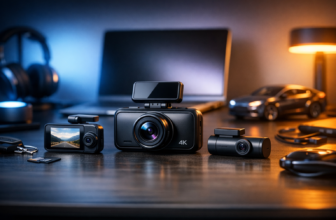
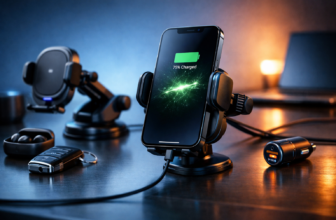
Best Tech for DIY Car Detailing and Maintenance
If you’ve ever spent a Saturday detailing your car only to end up with streaky glass, missed grime in the crevices, or a battery that decides to quit at the worst time, you already know the frustration. The right tools turn DIY from “good enough” into results that look shop-finished. Trevor and I were discussing the best tech upgrades that actually make car care easier, faster, and more consistent, and we kept coming back to the same theme: smart gear removes guesswork. In this guide, we’re covering the best tech for DIY car detailing and maintenance—tools we’d buy with our own money.
Disclaimer: As an Amazon Associate, TrevMart earns from qualifying purchases at no extra cost to you.
What Makes “Tech” Worth Buying for Car Care?
Plenty of detailing gadgets look cool and do very little. The best ones save time, prevent damage, or help you spot problems before they get expensive.
- Consistency: You get repeatable results (even if you’re not a pro).
- Safety: Less risk of swirls, burnt clear coat, or stripped fasteners.
- Confidence: Real measurements beat “it feels tight enough” and “it looks clean.”
Best Tech for DIY Car Detailing
1) Dual-Action (DA) Polisher: Your Fast Track to Gloss Without the Panic
A DA polisher is the single biggest leap you can make if you want swirl-free paint without spending all day by hand. It oscillates as it spins, which makes it far more forgiving than a rotary polisher.
- Look for: variable speed control so you can spread polish slowly and correct faster
- Benefit: faster correction with less risk of burning through clear coat
- Nice-to-have: a longer power cord or a good battery platform if you go cordless
Pros:
- Removes swirls and haze quickly
- More beginner-friendly than rotary
- Great for applying sealants evenly
Cons:
- Takes practice to avoid “polish dust” and sling
- The pads and compounds become an ongoing cost
2) Paint Thickness Gauge (PTG): The Tool That Keeps You From Overdoing It
If you polish often, a paint thickness gauge is a smart buy. It tells you how much clear coat you have to work with, so you’re not correcting blindly.
- Look for: a gauge that reads in microns and supports steel and aluminum panels
- Benefit: helps you avoid over-polishing thin panels and edges
Pros:
- Prevents costly paint mistakes
- Helps you map “problem areas” before you start
Cons:
- Extra step in the process
- Not essential if you only do light, infrequent polishing
3) High-CRI LED Inspection Light: Find Defects Before They Find You
Your garage lighting lies. A high-CRI LED inspection light reveals swirls, holograms, and high spots from wax or ceramic sprays that normal lighting hides.
- Look for: high CRI (90+), adjustable brightness, and a focused beam
- Benefit: you correct what you can actually see, which saves time and product
4) Electric Pressure Washer + Foam Cannon: Cleaner Faster, With Less Scrubbing
For safe washing, you want to remove as much dirt as possible before touching the paint. A pressure washer plus a foam cannon lays down thick foam that loosens grime so you reduce swirl risk.
- Look for: 1.2–2.0 GPM range, quick-connect fittings, and a reliable hose
- Benefit: less scrubbing means less marring, especially on dark paint
Pros:
- Improves wash safety and speed
- Great for wheel wells, mats, and undercarriage rinses
Cons:
- Cheaper units can be noisy and short-lived
- Needs a decent water supply and storage space
5) Wet/Dry Vacuum with Fine Dust Filtration: The Interior Hero
A solid wet/dry vac pulls grit out of carpet and seats, and it’s the backbone for interior detailing. Add a crevice tool and a soft brush attachment and you’ll reach areas that stay dirty forever otherwise.
- Look for: strong suction, a compact canister, and a filter that handles fine dust
- Benefit: better extraction means less odor and longer-lasting interiors
6) Steam Cleaner: Sanitize Without Soaking Everything
Steam is a cheat code for sticky consoles, cupholders, and textured plastics. It can also help lift stains without turning seats into a swamp.
- Look for: a unit with continuous output and useful nozzles/brush heads
- Benefit: breaks down grime with less chemical use and less water
Martin’s Take: Stop Scratching Your Paint in the Drying Step
If you want fewer swirls, focus on drying. Use a dedicated car dryer (or a strong blower) to push water out of mirrors, trim, and badges before you touch the paint. Then finish with a quality microfiber drying towel and light pressure. You’ll cut down on the “mystery scratches” that show up after a wash.
Best Tech for DIY Car Maintenance (That Also Saves You Money)
7) OBD2 Bluetooth Scanner: See What the Car Is Trying to Tell You
An OBD2 scanner is one of the best buys for modern cars. It reads trouble codes, helps you confirm a fix, and can show live data like coolant temp and fuel trims depending on the app.
- Look for: good app support, fast connectivity, and broad vehicle compatibility
- Benefit: you diagnose smarter and avoid parts-cannon repairs
Pros:
- Quick check-engine light insight
- Can verify readiness monitors before inspections (app-dependent)
Cons:
- Cheap scanners can be glitchy or limited
- Some features require paid apps/subscriptions
8) Digital Tire Pressure Gauge + Portable Inflator: Better MPG, Better Safety
Tires that are even a few PSI off can wear unevenly and hurt fuel economy. A digital gauge plus a compact inflator makes it easy to stay consistent, especially with temperature changes.
- Look for: backlit display, auto-stop inflator, and a solid hose/chuck
- Benefit: you keep handling predictable and tires lasting longer
9) Torque Wrench (Digital or Click-Type): No More “That Feels Tight”
If you rotate tires, change brakes, or do any bolt-on work, a torque wrench is a must. It prevents stripped threads and warped rotors (yes, uneven lug torque can contribute).
- Look for: a range that covers lug nuts (often around 80–100+ ft-lb depending on vehicle)
- Benefit: correct torque means safer wheels and fewer headaches later
10) Smart Battery Charger/Maintainer + Jump Starter: The “No-Drama” Combo
Short trips and cold weather kill batteries slowly. A smart maintainer keeps your battery healthy, and a lithium jump starter can save you (or your neighbor) when life happens.
- Look for: safety protections (reverse polarity, spark protection) and clear status indicators
- Benefit: fewer no-start mornings, longer battery life
Quick Buying Guide: What to Prioritize First
If you’re building your setup from scratch, start with the tools that improve results every single time you use them.
- Best first detailing upgrades: high-CRI inspection light, pressure washer + foam cannon, wet/dry vacuum
- Best first maintenance upgrades: digital tire gauge + inflator, OBD2 scanner, torque wrench
- Most “advanced but worth it”: DA polisher, paint thickness gauge, steam cleaner
Final Verdict
The best tech for DIY car detailing and maintenance isn’t about owning the most gadgets. It’s about getting predictable, repeatable results—cleaner paint with fewer swirls, healthier tires, and fewer surprise repairs. If you buy only a few tools, prioritize visibility (inspection light), safe washing (pressure washer/foam), and diagnostics (OBD2 scanner). Those three categories pay you back fast.
What’s the one tool you can’t live without in your garage—pressure washer, DA polisher, OBD2 scanner, or something else?