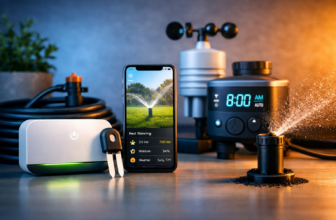
Smart Gardening: Best Tech for the Home Plant Parent
If you’ve ever come home to droopy leaves after a “quick weekend away,” you already know the struggle. Smart gardening gear takes the guesswork out of watering, light, and timing—so your plants stay healthy even when life gets busy. From Trevor and me talking shop at TrevMart, one thing keeps coming up: the right smart gardening tech can turn a brown-thumb routine into a steady, repeatable system.
Disclaimer: As an Amazon Associate, TrevMart earns from qualifying purchases at no extra cost to you.
Why Smart Gardening Tech Actually Helps (Not Just More Gadgets)
Plants don’t fail because you don’t care. They fail because conditions change fast—sun angles shift, heaters dry the air, and soil can look “fine” on top while it’s dry underneath.
Good smart gardening products do three things well: they measure what matters, automate the boring parts, and notify you before the damage is done.
What to prioritize before you buy
- Ease of setup: If it takes an hour and three apps, you won’t use it.
- Reliability: A “smart” device that drops connection is worse than none.
- Real-world benefit: Look for fewer missed waterings, steadier moisture, and healthier growth—not fancy graphs.
Best Smart Gardening Tech for Home Plant Parents
Below are the categories that consistently make a difference for indoor plants, balcony gardens, and small backyard setups. Pick one that solves your biggest pain point first, then build from there.
1) Smart Plant Sensors (So You Stop Guessing)
Plant sensors track soil moisture and often light and temperature. The best part: you water based on actual readings, not vibes.
What to look for
- Moisture accuracy: Reliable readings at root depth so you don’t overwater.
- Light tracking: Helps you place plants where they’ll actually thrive.
- App alerts: Notifications when moisture drops below your target.
Pros & Cons
- Pros: Fewer overwatering mistakes, early warning before leaves droop, easier plant placement.
- Cons: Some models require subscriptions or frequent charging; cheap sensors can be inconsistent.
2) Self-Watering Planters (The “Busy Week” Insurance Policy)
Self-watering planters use a reservoir to feed moisture overtime. They’re ideal for thirsty plants and people who travel or forget.
They won’t replace good light, but they can stabilize watering so roots aren’t swinging from flood to drought.
What to look for
- Clear water-level indicator: So you refill on schedule without pulling the plant out.
- Consistent wicking system: Even moisture means less stress and better growth.
- Size match: A reservoir that fits your plant’s thirst (bigger isn’t always better if drainage is poor).
Pros & Cons
- Pros: More consistent moisture, fewer missed waterings, great for herbs and houseplants.
- Cons: Overfilling can cause soggy soil; not ideal for plants that like to dry out fully (like many succulents).
3) Smart Irrigation Controllers (For Lawns, Beds, and Drip Lines)
If you have outdoor beds or a drip system, a smart irrigation controller is the biggest quality-of-life upgrade. It automates schedules and can adjust based on local weather data.
The benefit isn’t just convenience—it’s less wasted water and fewer stressed plants during heat spikes.
What to look for
- Weather-based scheduling: Skips watering when it rains and ramps up during heat.
- Zone control: So shrubs and beds don’t get the same schedule as grass.
- Stable app + integrations: Easy manual overrides when you need them.
Pros & Cons
- Pros: Less water waste, healthier outdoor plants, set-it-and-forget-it convenience.
- Cons: Installation can take time; best results often require a properly set up drip system.
4) Indoor Grow Lights with Timers (When Windows Aren’t Enough)
Most “low light” plants still want more light than many apartments provide, especially in winter. A good grow light with a built-in timer takes daily maintenance off your plate.
The win here is consistency: plants respond better to predictable light cycles than random sunny days.
What to look for
- Adjustable brightness: So you can dial it in without bleaching leaves.
- Timer presets: 8/12/16-hour cycles keep growth steady without you remembering.
- Form factor for your setup: Clip-on, standing, or panel depending on shelf space.
Pros & Cons
- Pros: Better growth indoors, fewer leggy plants, hands-off schedules.
- Cons: Cheap lights can be weak; placement matters more than people expect.
5) Smart Plugs + Simple Automation (The Budget Power Move)
Not every upgrade needs to be “plant-specific.” A smart plug can automate grow lights, seedling heat mats, and small fans for airflow.
For many home plant parents, this is the easiest entry point into smart gardening: low cost, fast setup, real results.
Best uses
- Grow light schedule: Same timing daily so plants don’t get inconsistent light.
- Seed-starting heat mat: Set warmth windows to drive better germination.
- Airflow fan: Reduces mold risk and helps seedlings grow sturdier stems.
Pros & Cons
- Pros: Cheap, flexible, works with many devices, easy to replace or expand.
- Cons: You still need to choose the right schedule; not a replacement for sensors.
6) Smart Thermometers & Hygrometers (Fix the Room, Fix the Plant)
Humidity and temperature swings can quietly wreck foliage, especially for tropical plants. A small sensor that tracks both can show you what’s really happening near the plant—not across the room.
Once you see the numbers, you can act: move the plant, add a humidifier, or adjust airflow.
What to look for
- Clear readings: Easy-to-read screen plus app history is ideal.
- Alerts: Notifications when humidity drops below your set point.
- Placement flexibility: Magnetic backing, stand, or wall mount helps.
Martin’s Take: Put your temperature/humidity sensor at plant height, not on a bookshelf above it. We’ve seen 5–10°F differences near windows and vents. That one change makes your readings useful—and your adjustments actually work.
How to Build a Smart Gardening Setup (Without Overbuying)
If you’re starting from scratch, don’t stack gadgets on top of bad fundamentals. Build a simple system that matches your lifestyle.
Step-by-step buying plan
- Pick your biggest failure point: Watering, light, or environment.
- Buy one tool that solves it: Sensor for watering, grow light for low sun, or hygrometer for humidity issues.
- Add automation second: Smart plug timers and irrigation controllers are best after you know what your plants need.
- Review after 2–3 weeks: If plants improve, expand slowly. If not, adjust placement and schedules first.
Common Smart Gardening Mistakes (We See These All the Time)
Even good tech can’t compensate for a few classic plant-parent errors. Avoid these and your setup will feel “smart” instead of frustrating.
- Trusting a schedule over the plant: Use sensor data and plant behavior, not rigid calendars.
- Overwatering because of a reservoir: Self-watering planters still need the right soil and airflow.
- Grow light too far away: If the light is weak at leaf level, plants stretch and thin out.
- Putting sensors where it’s convenient: Place them where the plant lives, not where the Wi-Fi is strongest.
Final Verdict: The Best Tech Depends on Your “Plant Pain Point”
For most home plant parents, the best first upgrade is a plant sensor (to prevent overwatering) or a timed grow light (to fix indoor light issues). If you manage outdoor beds, a smart irrigation controller can save time and water while keeping plants steadier through weather changes.
At TrevMart, we like tech that earns its space. If it reduces guesswork, prevents “oops” moments, and keeps plants thriving with less daily effort, it’s a win.
What’s the hardest part of plant care for you right now—watering, light, or keeping humidity steady? Drop a comment and tell us your setup.